Seasonal Cooking Techniques Guide
Master the art of cooking with seasonal ingredients throughout the year. Learn proven methods to preserve nutrition and enhance flavor with nature's harvest.
The information on this site is for educational purposes only and does not constitute medical advice. Always consult a qualified healthcare professional before making health decisions.
Browse by Season
Seasonal Cooking Collections
Spring Seasonal Methods
Discover how to work with fresh greens, tender vegetables, and young shoots. Learn steaming, light sautéing, and raw preparation methods that preserve the delicate flavors of spring produce. Master techniques for asparagus, spinach, peas, and artichokes to highlight their natural sweetness and nutritional value.
Learn moreSummer Cooking Approaches
Embrace grilling, roasting, and quick cooking methods for peak-season fruits and vegetables. Learn to work with tomatoes, berries, zucchini, and stone fruits using high-heat techniques that caramelize surfaces while maintaining nutritional density. Explore cold preparation methods and salads that celebrate summer's abundance.
Learn moreAutumn Preparation Methods
Master slow-cooking, roasting, and baking techniques for root vegetables, squashes, and harvest fruits. Learn how to caramelize sugars in pumpkins and beets, braise hardy greens, and create warming soups that concentrate flavors. Explore layered cooking methods that build depth in autumn preparations.
Learn moreWinter Cooking Strategies
Develop proficiency with long-simmered stocks, braises, and slow-cooked methods for storage vegetables and preserved ingredients. Learn to extract maximum nutrition from winter squashes, root crops, and hardy greens through extended cooking that softens fibers and deepens flavor compounds. Master heating techniques that maintain nutrient density.
Learn moreSeasonal Preservation & Storage
Learn evidence-based methods for extending seasonal produce availability year-round. Explore fermentation, proper blanching and freezing protocols, dehydration techniques, and cool storage strategies that maintain nutritional profiles. Understand how different preservation methods affect flavor and nutrient retention for later use.
Learn moreEssential Equipment Guide
Discover which kitchen tools best support seasonal cooking across all temperature ranges and techniques. Learn about selecting quality cutting implements, cooking vessels, and storage solutions that adapt to different seasonal preparation methods. Explore how proper equipment selection enhances both efficiency and ingredient quality.
Learn moreWhy Seasonal Cooking Matters
Seasonal cooking aligns your food preparation with nature's growing cycles, offering produce at peak ripeness when nutrient density is highest. By working with what grows locally during each season, you develop deeper knowledge of how ingredients behave under different cooking methods and temperatures.
This approach encourages variety in your diet throughout the year, exposes you to diverse preparation techniques, and helps you understand the fundamental principles of heat transfer, moisture control, and flavor development that apply across all cooking contexts.
Learning seasonal cooking techniques builds genuine culinary skill—understanding why certain methods work with specific ingredients and seasons, rather than following fixed recipes. This knowledge transfers across cuisines and ingredients, making you a more adaptable and confident cook year-round.
Peak Flavor & Nutrition
Seasonal produce offers optimal taste and nutrient content
Technique Mastery
Understand heat application and ingredient behavior deeply
5-Step Framework for Seasonal Meal Preparation
Identify Seasonal Ingredients
Research what grows in your region during the current season. Understand peak harvest windows and ingredient quality markers for optimal selection.
Select Appropriate Methods
Match cooking techniques to seasonal produce characteristics. Spring calls for gentle heat, summer for high-heat searing, autumn for slow cooking, winter for extended simmering.
Prepare with Proper Technique
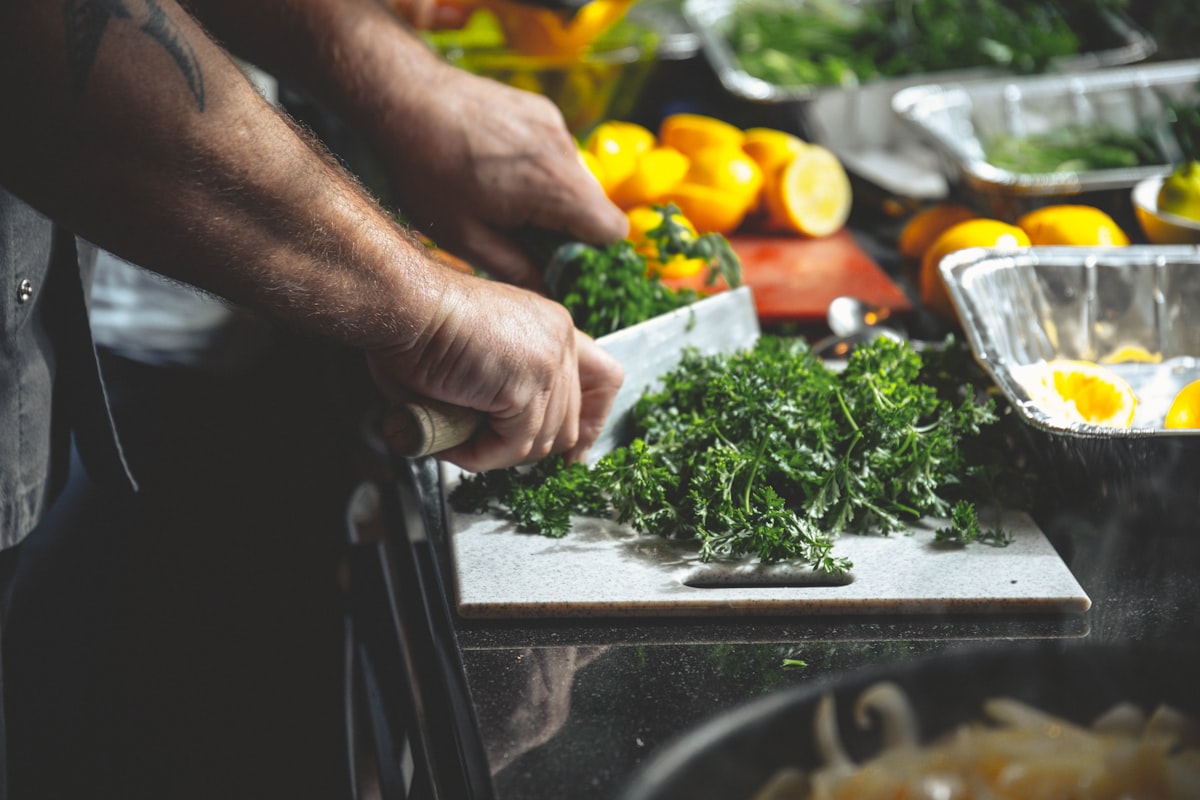
Apply cutting, trimming, and prep methods suited to each ingredient. Understand how preparation affects cooking time, moisture loss, and final texture outcomes.
Cook with Temperature Control
Apply consistent heat management and timing appropriate to each technique. Monitor texture changes and doneness indicators specific to seasonal produce.
Store & Preserve Wisely
Apply season-specific storage methods to extend ingredient availability. Preserve excess produce using freezing, fermentation, or proper cool storage techniques.
Frequently Asked Questions
The most effective approach is hands-on practice with seasonal ingredients in your local market. Start with one season and learn to identify peak produce, then practice each cooking technique with that ingredient repeatedly. Read about flavor compounds in seasonal foods and how different cooking methods activate or preserve them. Keep notes on texture changes, cooking times, and temperature observations to build your technique knowledge systematically.
Study videos demonstrating professional technique, but focus on understanding the why behind each step rather than memorizing specific recipes. Cook seasonally for at least a full year to experience how techniques differ across all four seasons.
Stay Updated on Seasonal Cooking Content
Subscribe to receive articles about seasonal cooking techniques, ingredient guides, and kitchen skill development directly to your inbox. Our editorial team shares evidence-based information about working with seasonal produce year-round.
We respect your privacy. Unsubscribe at any time. For more details, see our privacy policy.
Deepen Your Seasonal Cooking Knowledge
Explore our comprehensive articles on seasonal cooking techniques, ingredient preparation, and year-round seasonal eating. Our editorial content covers the practical skills and understanding you need to cook confidently with what's in season.